
Ask most people what you do outdoors near Orlando and they name the same theme parks. Ask someone who actually lives here and the answer is different: a kayak trip down a spring-fed river before noon, a bike ride through restored farmland, a winter morning watching hundreds of manatees surface in a state park. The infrastructure for that kind of life exists on an unusual scale. Florida is home to one of the highest concentrations of natural springs on Earth - water management sources document more than 700 mapped springs statewide, and many estimates exceed 1,000 when all sizes and classifications are included, according to the Florida Department of Environmental Protection and regional water management districts - and a significant portion of those springs, rivers, and protected trail corridors fall within an hour of downtown Orlando. This guide is for residents, not visitors. It covers the logistics that tourist pages skip: which parks require advance reservations, how early to arrive on weekends, what the seasonal windows actually mean, and how these spots fit together as a year-round network rather than a list of isolated day trips.
Natural Springs 101: What Locals Need to Know
Florida's springs are fed by the Floridan Aquifer, a massive underground system that maintains a consistent temperature regardless of air temperature above. The springs near Orlando hold their water in the upper 60s to low 70s Fahrenheit year-round - cool enough to be genuinely refreshing in August, warm enough to swim comfortably in January. That constancy is the whole appeal. The water is also exceptionally clear because it has been filtered through limestone before it surfaces.
Springs are classified by flow rate. First-magnitude springs produce the highest volumes and form the large, swimmable boils most people picture. Wekiwa Springs and Rock Springs at Kelly Park are both first-magnitude. Blue Spring in Volusia County is also first-magnitude, which partly explains why manatees concentrate there - the run holds steady warmth even when the adjacent St. Johns River drops to dangerous temperatures for the animals.
Reservation logistics have changed significantly in recent years and catching people off guard is the norm. Wekiwa Springs State Park now requires online day-use reservations - walk-up entry is no longer reliable, and weekends sell out. Kelly Park operates differently: it enforces a strict daily vehicle cap, and that limit fills fast on summer weekends, typically before mid-morning. Blue Spring is open every day of the year from 8 a.m. to sundown without a reservation requirement, though what you can do there changes entirely by season. Check each park's official page before any visit - the systems differ, the rules differ, and showing up without checking is the most common mistake locals make exactly once.
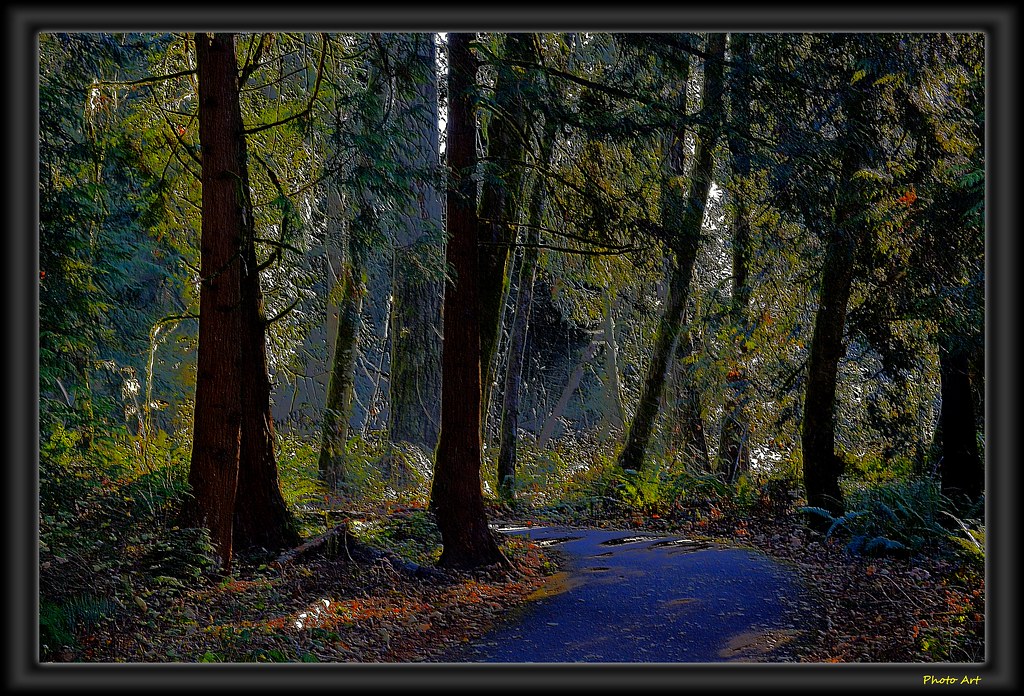
Wekiwa Springs and the Wekiva River
Wekiwa Springs State Park sits about 30 minutes north of downtown Orlando, making it the closest first-magnitude spring for most of the city. The park charges a per-vehicle entry fee - current rates are listed on the Florida State Parks website. Book your reservation as early as the system allows for any weekend visit between April and October.
The more interesting story is the river that flows out of the spring. The Wekiva River - note the different spelling from the park name - is one of only two National Wild and Scenic Rivers in Florida. The other is the Loxahatchee in South Florida. Wild and Scenic designation under federal law restricts development along the river corridor and protects it from activities that would alter its character. That is why a paddle down the Wekiva still feels genuinely remote. The river runs north for roughly 16 miles before joining the St. Johns, and the designated Wekiva Paddling Trail combines the Wekiva with Rock Springs Run into a multi-day corridor that serious paddlers can tackle with a car shuttle.
The park concessionaire rents single kayaks, double kayaks, and canoes on-site - current rates and availability are posted through the park's concession contact. That is the right option for most people who want flexibility. The alternative is a private guided tour, which typically means a smaller group, a naturalist who can identify what you are passing, and sometimes a clear-bottom kayak. The self-guided rental suits people who want to set their own pace; the guided tour suits first-timers who want context. Do not confuse the two before booking - they depart from different locations and cover different routes.
Wildlife on the Wekiva is not theoretical. Alligators are present and visible from the water - they are not aggressive toward paddlers who maintain distance, but this is not a tame canal. River otters are common, especially in early morning. Florida black bears are active in the surrounding scrub, and the park issues periodic reminders about food storage in parking areas. Wood storks, anhingas, great blue herons, and osprey are regular sightings. The river earns its Wild and Scenic designation most days of the week.
Kelly Park and Rock Springs Run: Tubing and Swimming
Kelly Park in Orange County, about 35 minutes from downtown Orlando, is built around Rock Springs - another first-magnitude spring maintaining a constant cool temperature year-round. The spring feeds a short, swift run through a canopied forest, and that run is the reason most people come. The current does the work. You float on an inner tube and the spring carries you through cypress and palms with enough flow to keep things moving.
The daily vehicle cap is the defining fact about Kelly Park. The park admits a set number of vehicles per day and the limit is firm - there is no overflow lot, no waitlist, and no reservation system. On summer weekends, that cap fills before mid-morning. Locals who have done this more than once know to arrive at or before the park's opening time. If you arrive after the cap is reached, you wait at the gate until someone exits, which can take hours.
The tube rental arrangement has a quirk worth knowing before you drive out: the park does not rent tubes. Rentals operate outside the park gates - Rock Springs Bar and Grill, just outside the entrance, is the primary rental point. Stop before you enter, get your tubes, carry them in. It works fine in practice; just factor in a few extra minutes and do not arrive expecting to rent inside.
Kelly Park versus Wekiwa comes down to what you want. Kelly Park is better for tubing and casual swimming, especially with children - the run is brief and social. Wekiwa is better for serious paddling, with a longer river, a bigger wildlife corridor, and multi-hour route options. Both are crowded on summer weekends and both reward arriving early enough to beat the capacity limits.
Blue Spring and Manatee Season
Blue Spring State Park in Orange City, roughly an hour north of Orlando, operates on two completely different schedules depending on the time of year. From November 15 through March 31, the spring run becomes a refuge for West Indian manatees retreating from the cold St. Johns River. Swimming in the run is prohibited during this window. The water still flows clear and constant - it just belongs to the manatees.
A single-day count in January 2023 documented 729 manatees in the Blue Spring run - a record at the time, since surpassed by a count of 932 in January 2024. On a typical cold morning during peak manatee season, the boardwalk that runs the length of the run holds a continuous view of surfacing animals. Rangers are present. The park opens at 8 a.m. and the boardwalk is best in the first two hours - the combination of light and animal activity is strongest early. If you come mid-afternoon on a warm January day, you may see far fewer manatees because they drift back toward the river when the air warms up.
Outside of manatee season, roughly April through mid-November, Blue Spring operates as a conventional spring park. Swimming is allowed, the run is clear enough for snorkeling, and kayak rentals are available for paddling on the adjacent St. Johns River. The park is open 365 days a year. The summer version is genuinely worthwhile - you simply get full water access and a quieter experience without the winter crowds.
Paddling the Winter Park Chain of Lakes
The Winter Park Chain of Lakes is an urban paddle unlike anything else in the metro area. Six lakes are connected by narrow canals threading through one of Orlando's oldest neighborhoods, passing behind century-old estates, under small bridges, and through cypress corridors. The route lets you choose your own turnaround - there is no fixed circuit, and a short paddle or a longer exploration of all six lakes are both valid options.
The public launch is at Dinky Dock Park on Lake Virginia, and there is no fee to put in your own boat. That makes this one of the most accessible paddles in the region - show up with your own kayak or canoe at any hour and get on the water without a reservation. For people without gear, multiple operators offer guided tours in clear-bottom kayaks, which add a visual layer that works especially well on the shallow, clear lake bottoms. A guided tour also tends to come with neighborhood history and some explanation of the canal system, parts of which were constructed rather than natural.
This route works in every season. No reservation system, no vehicle cap, no seasonal closure. It is quieter than the spring parks because it is less visible in search results and less marketed to tourists. For beginners, it is lower-stakes than a river paddle - calm water, no current, and you are always close to a launch point.
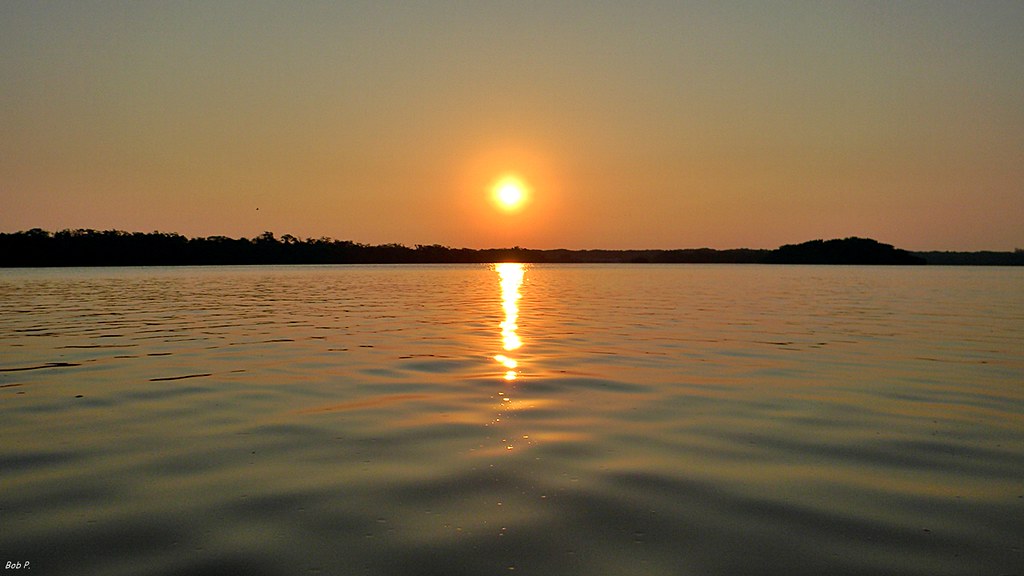
Shingle Creek: Paddling Near the Theme Parks
Shingle Creek Regional Park sits about 10 minutes from International Drive, making it the most accessible paddle in southwest Orlando and one of the most underexplained. The creek runs through a bald cypress swamp that looks nothing like the surrounding commercial strip. Spanish moss hangs over the water. Wading birds work the shallows. On a weekday morning you can paddle for an hour without seeing another person.
The ecological backstory matters here. Shingle Creek is considered the northernmost headwaters of the Everglades. Its water flows south through a series of lakes and rivers to Kissimmee, then Lake Okeechobee, then the Everglades system. Most Orlando outdoor content never mentions this connection, which is a missed point - the creek near I-Drive is not a glamorous wilderness, but it drains into one of the most significant ecosystems in North America. Knowing that changes how you read the herons standing in it.
Steffee Landing within the regional park is the main put-in. Kayak rentals are available on-site through the park operator - contact Osceola County Parks for current availability and pricing. The paddle is flat, calm, and canopied enough for tolerable summer conditions. This is the right first kayak trip for someone new to paddling who lives in the southwest quadrant of the metro and does not want to drive an hour north to reach a state park.
Biking Orlando's Trail Network
Three trails form the backbone of the metro area's off-road cycling network, covering different terrain and different purposes.
The West Orange Trail is a paved rail-trail running from Oakland through Winter Garden to Apopka - a long, flat corridor on a former railroad bed. The surface is smooth asphalt, elevation changes are minimal, and the trail passes through downtown Winter Garden, which has developed into a genuine destination with restaurants and coffee shops. Full-service bike rentals are available at Killarney Station in Oakland, operated by Orange County Parks and Recreation, which means you can do this trail without owning a bike. Restrooms and water are available at multiple points along the route. This is the most family-friendly of the three trails and the logical starting point for anyone new to trail cycling in the region.
The Seminole-Wekiva Trail runs northeast through Altamonte Springs, Longwood, Lake Mary, and Sanford on the former Orange Belt Railway corridor. The surface is asphalt throughout. It does not have the same destination infrastructure as the West Orange Trail, but it connects densely populated areas and is heavily used by commuters and fitness cyclists. Extensions have added to the original mileage over the years; the county parks website has current route maps.
The Lake Apopka Loop is a different proposition entirely. The full circuit around the lake is a long day for any cyclist - serious enough that most riders either plan an early start, break it into sections, or do the most compelling segment alone. That segment is the north shore, which doubles as the Lake Apopka Wildlife Drive: an 11-mile one-way motor and bike route where birders have recorded 377 species, placing it among the top three birding destinations in Florida alongside Everglades National Park and Merritt Island National Wildlife Refuge. The ecological context is worth knowing. Lake Apopka spent decades as one of the most polluted lakes in Florida, degraded by agricultural runoff from muck farms on its north shore. Those farms were eventually bought out, demolished, and converted to wetland habitat. The wildlife recovery has been dramatic. The bird numbers are not background trivia - they are evidence of an ongoing restoration, visible to anyone cycling the north shore on a winter morning.
Gear and Preparation
For Florida paddling, a few gear choices matter more than most guides acknowledge. Sun protection is not optional - water reflection accelerates sunburn faster than direct sun alone. A dry bag for phone and wallet is worth the small investment. Water is more critical than it seems; even a moderate paddle is real physical work. Water shoes are better than bare feet for spring river launches, where rocky entry points and shallow limestone riverbed are common.